


What is scoliosis?
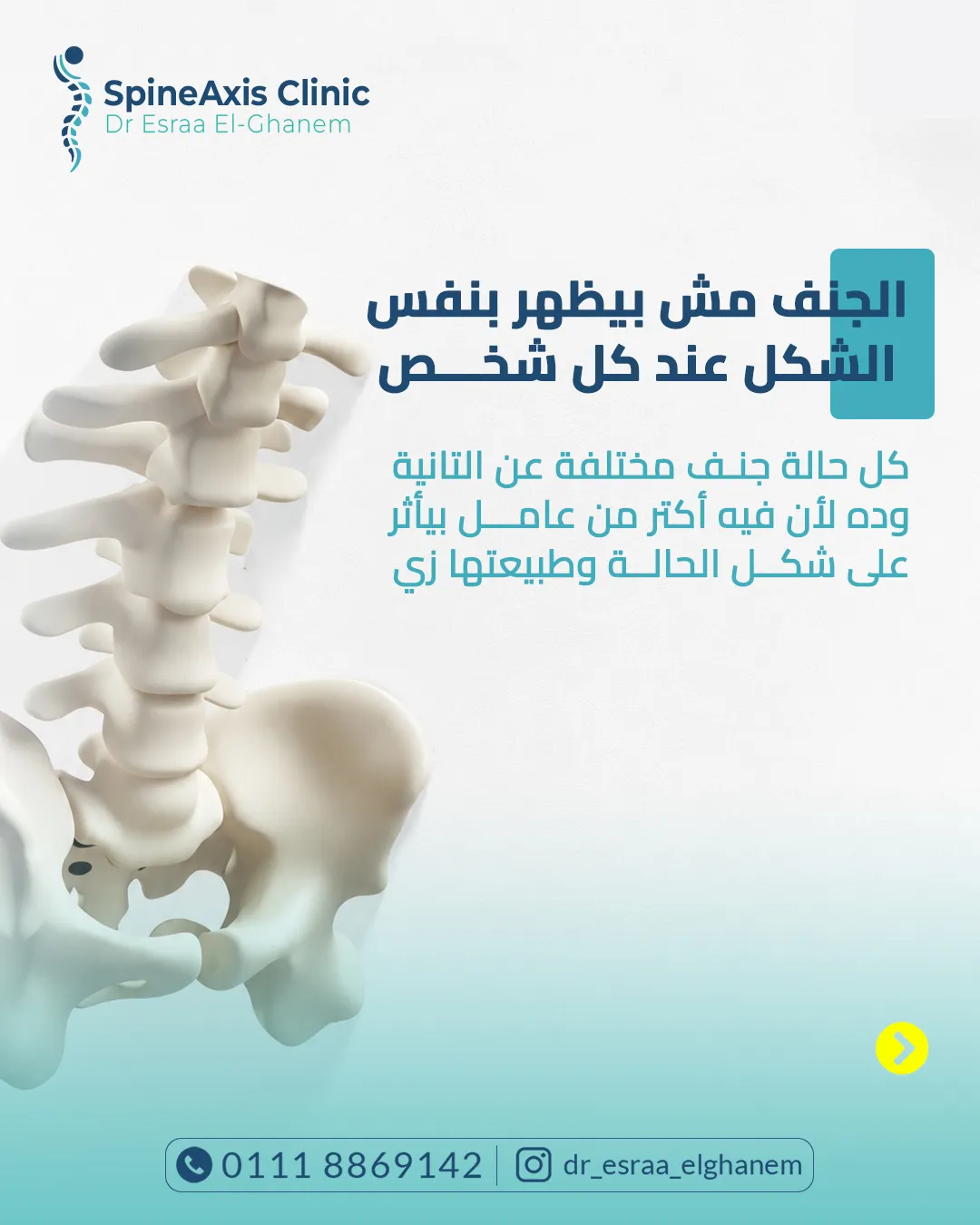
Scoliosis is a sideways curve of the spine combined with rotation of the vertebrae. Because it involves bending and twisting, it is a three-dimensional condition that can change the shape of the back, shoulders, waist and rib cage.
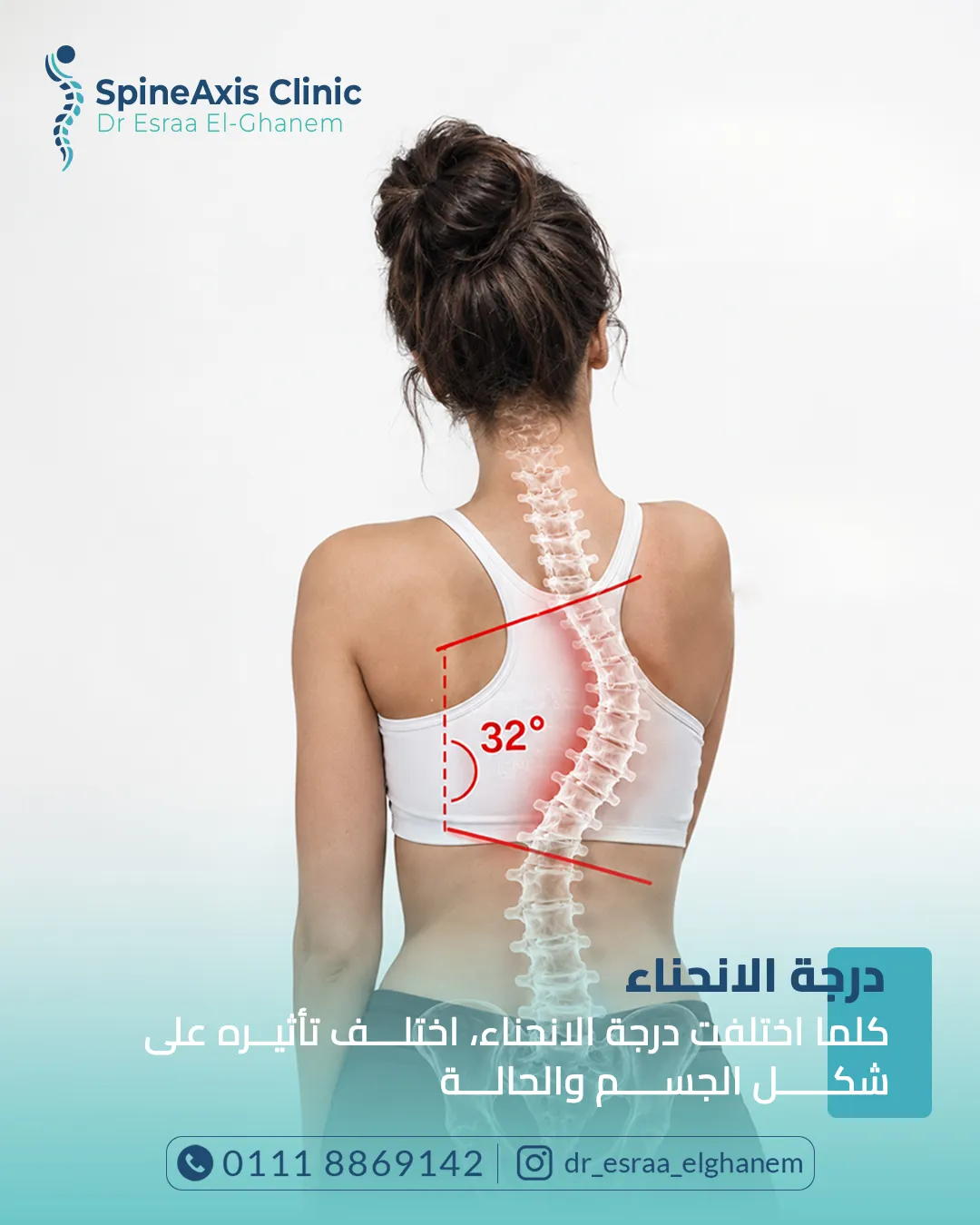
A curve is generally called scoliosis when it measures 10 degrees or more on an X-ray, using a measurement called the Cobb angle.
Common types
- Adolescent idiopathic scoliosis (AIS): the most common type, appearing during the growth years without a single known cause.
- Early-onset scoliosis: found in younger children, where growth makes close monitoring especially important.
- Adult scoliosis: a curve present in adulthood, either continuing from youth or developing later in life.
Signs to watch for
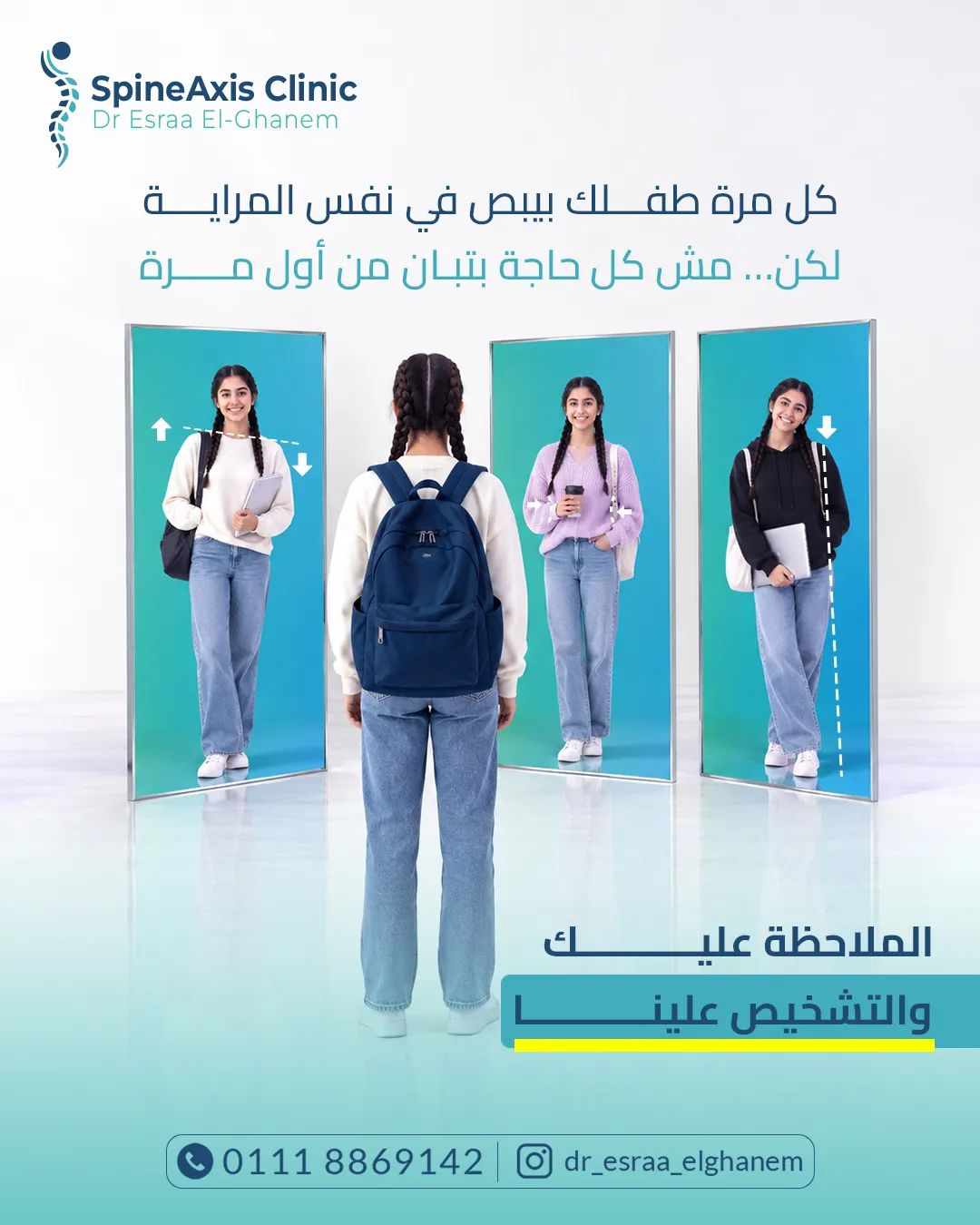
Scoliosis is often painless, so the signs can be easy to miss, especially in children. Parents are often the first to notice small changes in the mirror.
- One shoulder higher than the other
- One shoulder blade more prominent
- Uneven waist or hips
- A rib hump on one side when bending forward (the Adam's forward bend test)
- The body leaning to one side
How scoliosis is assessed
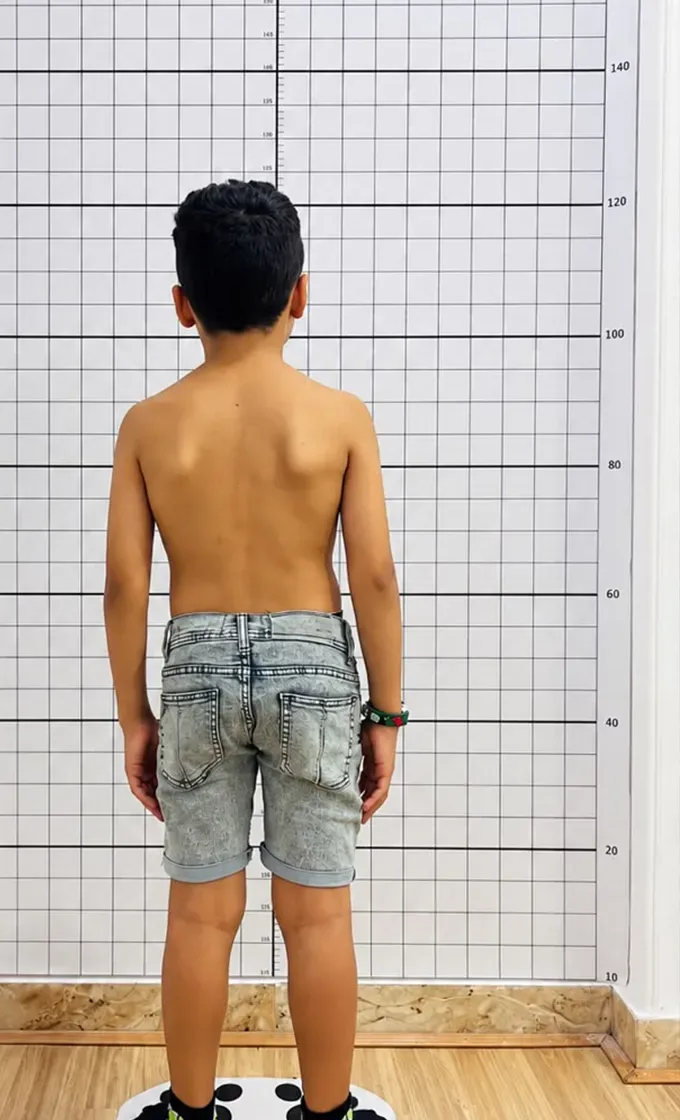
Assessment starts with a physical examination, including the forward bend test to check for rotation. A standing X-ray confirms the curve and allows the Cobb angle to be measured.
At SpineAxis, we review your X-rays, take measurements and open a complete file, so each follow-up can be compared with day one.
Why no two cases are alike
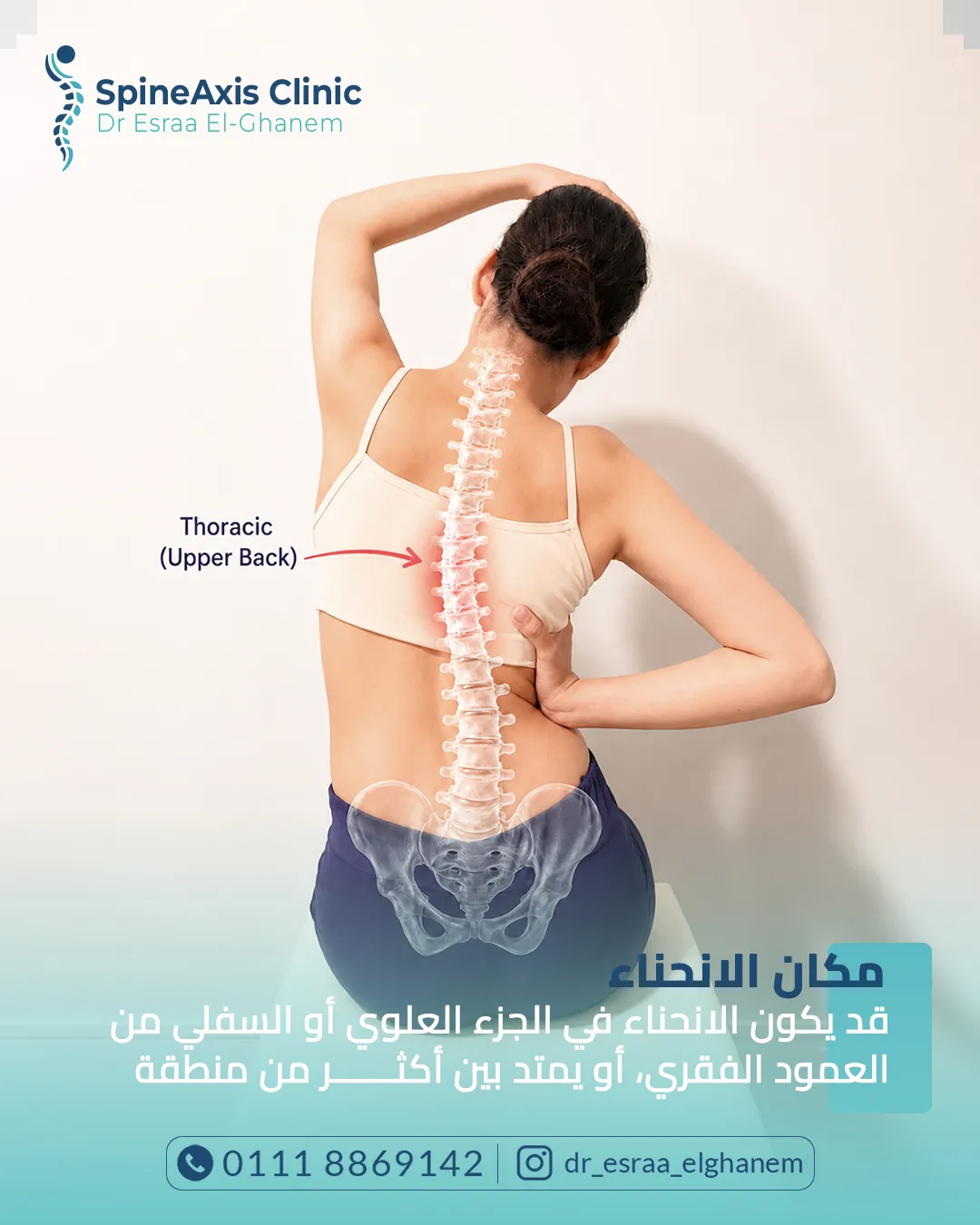
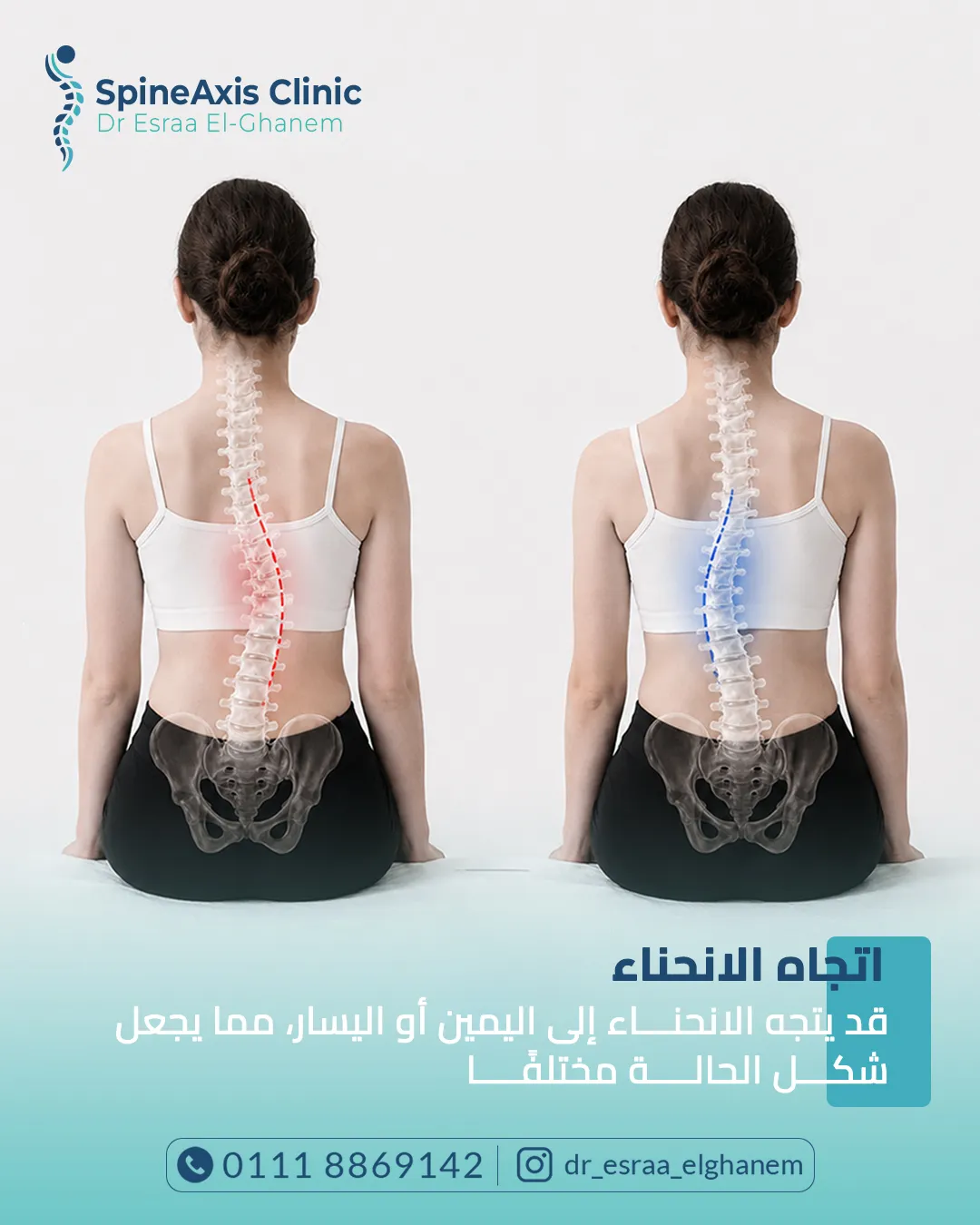
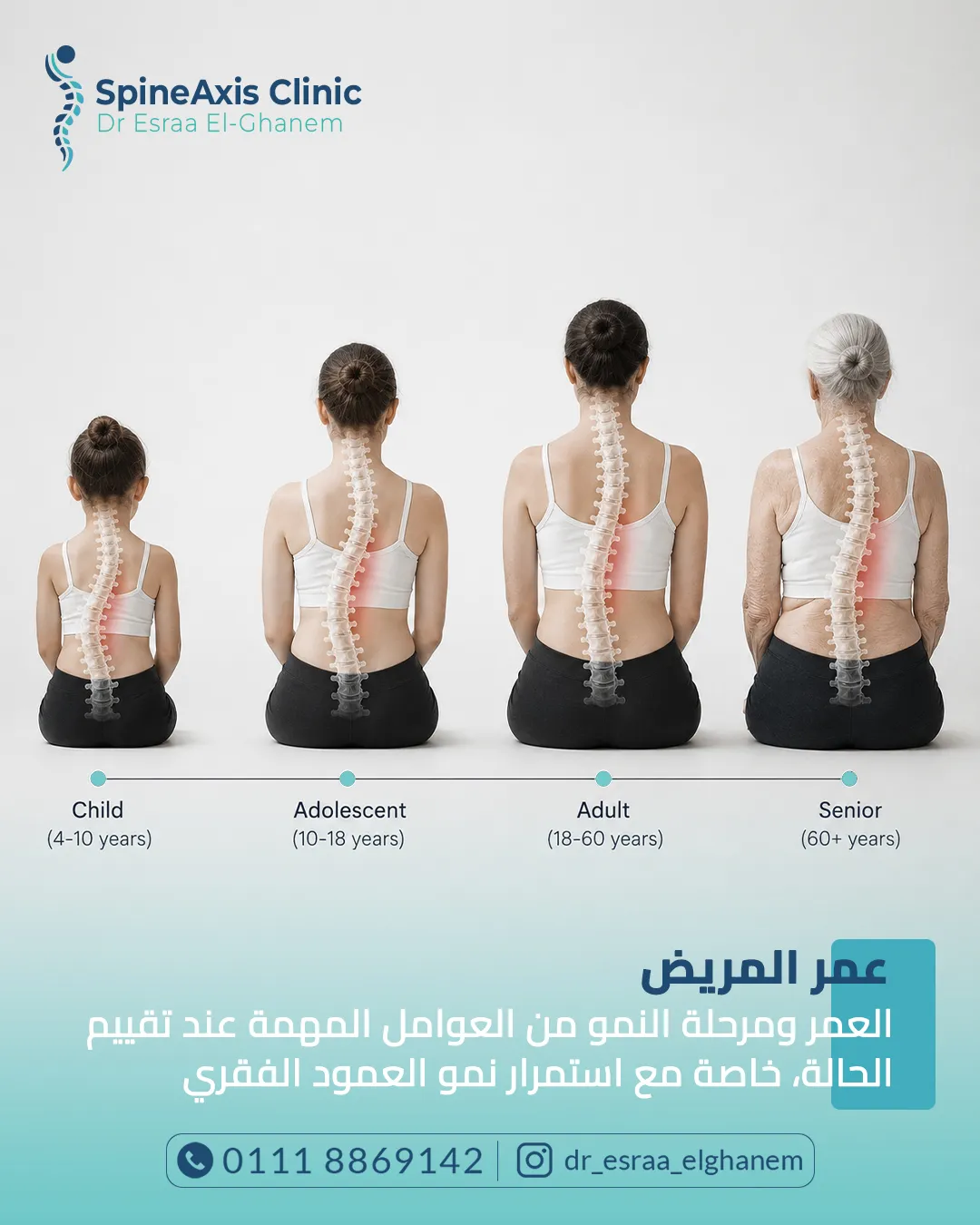
Each curve has its own location (upper, middle or lower back), degree, direction and pattern, and each patient is at a different age and stage of growth. These factors shape how a curve is managed, which is why one program can't fit everyone.
Treatment options
Management depends on the size of the curve, the patient's age and remaining growth. Options include monitoring, scoliosis-specific exercises, bracing and, for some severe curves, surgery. Decisions about bracing and surgery are made with the treating spine doctor.
Scoliosis-specific exercise can be used on its own or alongside a brace.
The Schroth method
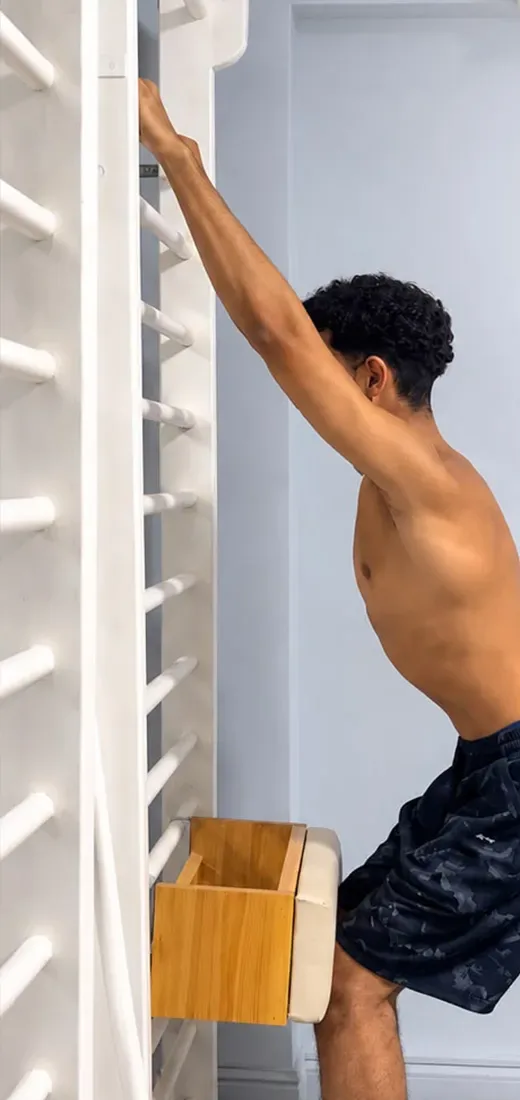
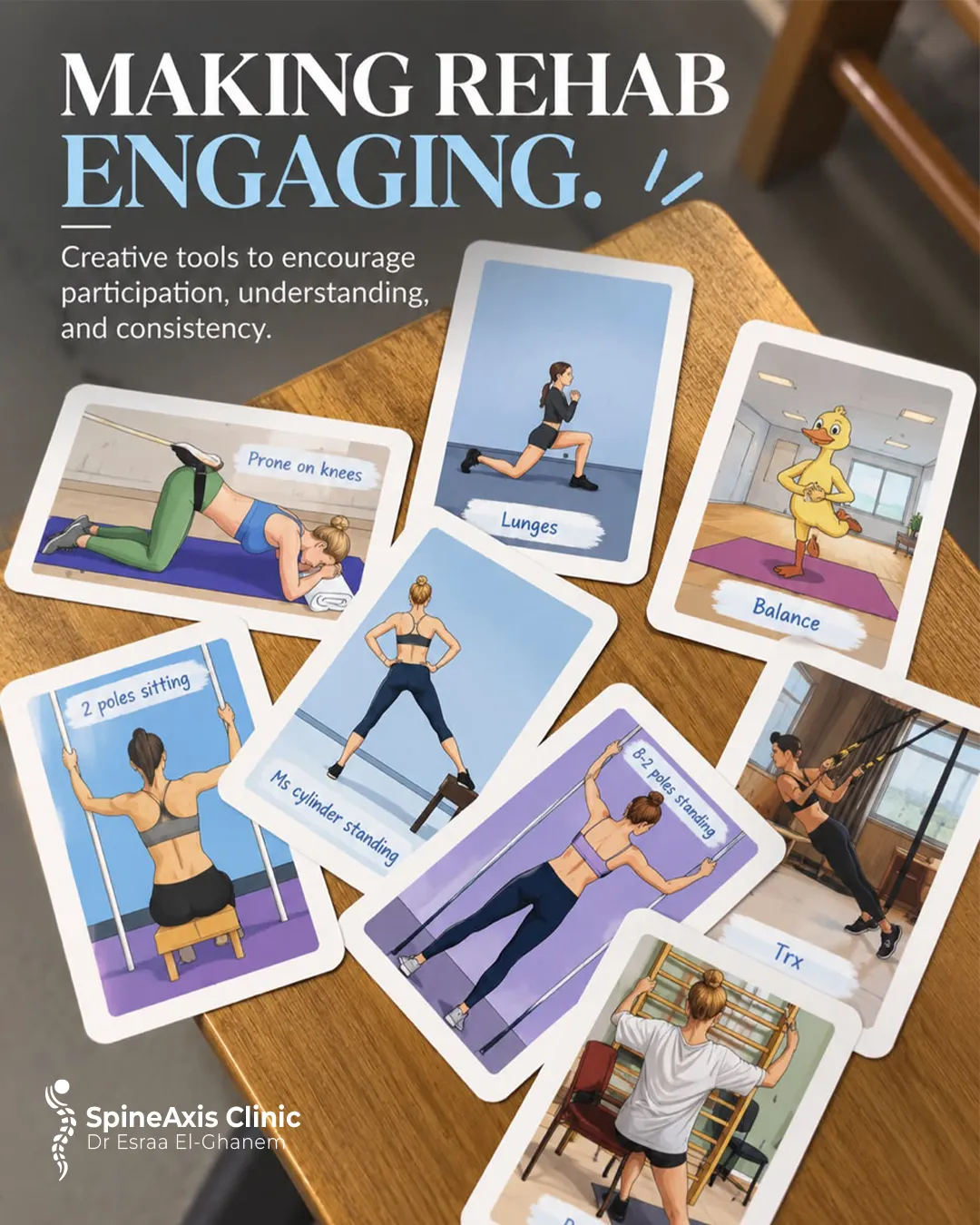
Schroth is a scoliosis-specific exercise method developed in Germany. It works in three dimensions, using posture correction, targeted breathing and muscle activation to reach the best correction possible for each curve.
In a Schroth session, every movement has a purpose: improving posture, balancing the muscles, and controlling the position of the pelvis and shoulders. That is why continuous guidance from a specialist matters.
When to book an assessment
Book an assessment if you notice any of the signs above, if there is a family history of scoliosis, or if a doctor has found a curve. Early detection makes a difference, especially during growth.
The information on this site is for education and does not replace a medical consultation. Every case is different; results vary from one patient to another.